


Life Out of Order is the long-awaited sequel to Audrey Niffenegger’s 2003 bestselling debut novel, The Time Traveler’s Wife. The story follows Alba DeTamble, daughter of the previous novel’s time-traveling librarian, Henry DeTamble. Alba, having been diagnosed with the same Chrono-Displacement Disorder as her father, lives her life unpredictably sliding between timelines, decades, frightening political and environmental epochs, and versions of herself. As she struggles with the pressure of knowing futures foretold, Alba looks to discover how to live and love meaningfully when time is quite literally working against her.
The novel’s structure is concurrently intriguing and difficult to pin down. Each chapter begins with a header, as well as the date and ages of the focus characters for that section. With the non-time-traveling characters of the novel, the ages and dates work straightforwardly. For example, if non-chrono-displaced Zach was born in 2000 and the date of a chapter is in the year 2025, he is twenty-five years old. However, with Alba and her fellow travelers, who can pay visits to past, present, and future versions of themselves, specific years don’t signify specific ages—one character can be in the year 2025 at ages twenty-five and eighty-four at the same time even if they weren’t born until the year 2056. In many cases, this structure lays the groundwork for unique revelations and plot points later on in the novel. However, with the volume of characters that live in this story, the ever-changing timelines, dates, and ages can become overwhelming and, frankly, exhausting at times.
But the structure lends itself well to one of the best aspects of the novel:the concept of memory. In allowing multiple versions of Alba—all with different gradients of lived experience and wisdom—to exist in the same moments, Niffenegger paves the way for deeper, more meaningful reflections on memory and the importance of being present in your own life and the lives of those around you. Without traversing into spoiler territory, Niffenegger specifically utilizes this idea of intentional presence and the power of memory at the more touching conclusions of some of the story’s most beloved characters.
Alba herself is a bit of a conundrum of a character. While ethics become murky when interdimensional timelines go out the window, there are aspects of the novel’s romance that I found hard to move past. There are age differences that raise eyebrows and sow discourse, and Alba and another character make a stream of debatable romantic choices as they travel through time. It also seems as though the major romantic conflict—which had been building for almost three-fourths of the novel—is speedily reconciled within a few pages at the close of the novel. While I recognize the complexity of Alba’s life and appreciate the grace extended to her because of her circumstances, the conclusion of the novel reads a bit rushed and ultimately, unsatisfying.
Some ambiguity is necessary here to prevent spoilers, but as admirable and kind as it also is that Alba seeks to protect those around her by shielding them from impending despair, she also strips them of the ability to self-determine. After all, why would you stray from the guidance of someone who knows exactly what the future holds? This is not to blame Alba because no one willingly chooses to know the future of the human race, but it begs the question: if someone knows nothing they do will change the future, will they attempt to do anything at all?
It appears that Niffenegger would argue, yes, in most cases they will, and Alba herself is a great example of such. She knows what horrors lie ahead for society—the pandemic, the murder of George Floyd, ICE raids, fascism, climate change—but she still participates in collective liberation and social justice efforts because she cares about those around her. The novel’s plot also ultimately hinges on the dangers of artificial intelligence and Niffenegger does a fine job of demonstrating the dystopian future that could arise from the usage of such harmful technology. At times, I couldn’t totally put my finger on whether or not the novel positioned itself as totally anti-AI, but the overarching message of the novel seems to steer individuals away from the notion that artificial intelligence is safe.

Fans of science fiction and Niffenegger’s previous novels are sure to enjoy the return of her incredibly vast and unconventional world-building. Though structurally confusing at times, Life Out of Order is ultimately a testament to the nuanced beauty of being alive in any timeline and the tangible belief that the only way to find our way through dystopia is together.
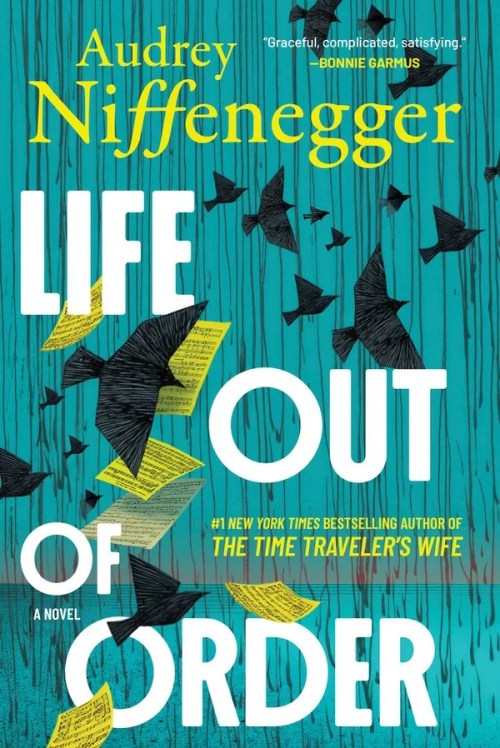
FICTION
Life Out of Order
By Audrey Niffenegger
Hanover Square Press
Published October 6, 2026


