


It’s the overinformation age, and the more we learn about the world and the unending parade of freaks who inhabit it, the more it seems poised to swallow us up completely. But we carry on with a bizarre faith that the things that served us before the time of megabillionaire supervillains, open marriages, and online chatrooms for terrorist missionaries will continue to serve us—that is, getting good grades, falling in love, eating dinner together.
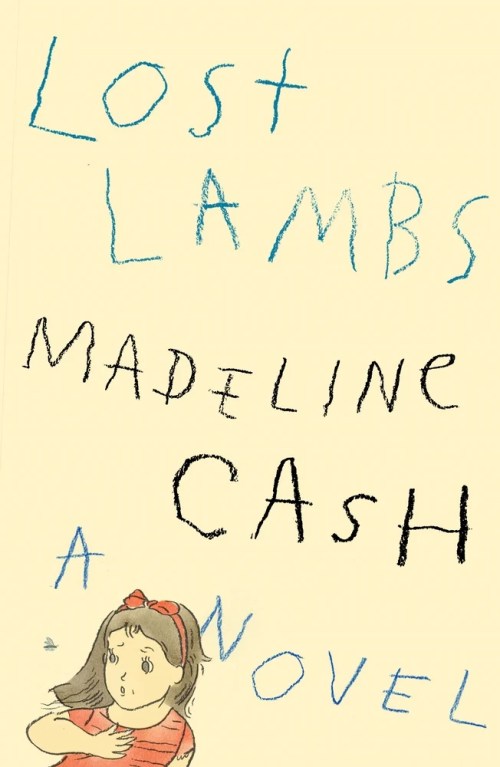
The Flynns, the family at the heart of Madeline Cash’s debut novel Lost Lambs, are no exception. Distracted by a messy and barely agreed-upon open marriage, parents Bud and Catherine carry on unaware of their daughters’ respective crises. 17-year-old Abigail rebels by dating a twentysomething combat vet of ill repute; middle child Louise is seduced into building a homemade bomb for her Islamic fundamentalist e-boyfriend; and youngest Harper becomes convinced of a corporate scheme to spy on their town’s every move. Separated from one another through bad behavior, they spend the novel dancing around one another, each little lie threatening to destroy what little sense of family they have left.
As it turns out, Harper’s corporate conspiracy is more real than any of them could have imagined, and they’re all involved. Together and apart, they spend Lost Lambs following their most questionable instincts to their most ludicrous ends. It’s a story that borders on slapstick but remains human through a deep love for its characters, and a need to treat their unfortunate desires with dignity.
The world the Flynns inhabit is too big, too complicated, and too contradictory to be seen through the eyes of a single narrator—so we experience it through a constantly shifting perspective, both among the Flynns and their seemingly inconsequential acquaintances. It’s a tricky balancing act that Cash nails, infusing each voice with a charming frankness and a wry but sincere sense of humor. Each narrator is robustly drawn and endearing; there’s nobody you dread to hear from a second time. The arc of each Flynn bends toward home, to each other: even at their loneliest, you can see where each just needs their father, their mother, their sister, their friend.
Lost Lambs is a minefield of disturbances for a family seeking peace, home to camps to re-educate troubled children, a basement full of ceramic vulvas, mysterious pills to crush and snort, and blood rituals. The insanity of the circumstances are sold by a detached and surreal approach to narrative—not dissimilar to Sophie Kemp’s Paradise Logic or Jen George’s Babysitter at Rest—but there’s a sweetness to how Cash treats her characters that separates her from tonally similar millennial grotesquerie.
Cash’s sense of humor is propulsive, at once absurd and perceptive, grounding each narrator with a sense of self-awareness and world-weariness that makes their exploits all the more uncomfortable and fascinating. That they know they’re walking into traps they’ve set for themselves or the world has set for them grows their palpable humanity.

Despite the ugliness and vulgarity in the world it depicts, the novel is ultimately a rather wholesome and conventional one, much to its benefit. The central drama couldn’t be more modern: the Flynns are trapped in the criminal enterprise of an Elon Musk-meets-Bryan Johnson antagonist, seduced by Islam, emboldened by corrupt Catholic clergy, pursuing late-life lesbianism. But the way they cope is timeless: striving for normalcy, acceptance, stability, love. Their baffling world becomes manageable (or as manageable as it can be) in the way it always has. Herein lies Cash’s message.
Though the novel’s pace skews efficient and tidy, wrapping up its key threads in a way that borders on convenient after 90% of the page count ramps up the drama, Lost Lambs makes an impression for its refreshing outlook on our increasingly batshit reality, finding solace in the fundamentals of humanity. The warmth of family, the comfort of having those who care for you even when you’re on the no-fly list, or kicked out of school, or screwing the neighbor, or living in your car: this is what makes the rest feel like nothing more than a footnote.
FICTION
Lost Lambs
By Madeline Cash
Farrar, Straus & Giroux
Published on January 13, 2026


