


In a rollercoaster year of literary news, one of the most disheartening reports has been the decimation of NEA and other creative grants to literary institutions. At Chicago Review of Books, we love small and independent presses such as Milkweed Editions. I was happy to have the opportunity to speak with Daniel Slager, Milkweed’s publisher and CEO about their vision, their books, and the state of publishing today.
Daniel confirmed most of the last grant they received from the NEA had been canceled, and while they submitted a proposal for funding this year as well, they don’t anticipate receiving a grant in 2025 He went on to say, “Because of the ways we have grown in recent years, we are more resilient financially than are some of the other, mostly smaller presses. But NEA funding has been a critical element of our growth, and taken together with the fact that many funders are turning their resources to urgent human needs at this time, we are concerned.”
Daniel Slager was hired in 2005 as Milkweed’s editor in chief, and was promoted to his current role three years later. As such, he provides a vision for the press, acquiring and editing most of the books Milkweed publishes, managing their business and staff, and raising funds to support their work. I asked what that looks like each day, and he said, “It’s a relatively wide-ranging job, to be sure, but I love the variety and the good people I work with on a day-to-day basis, from staff to authors to board members. And then there are the booksellers and librarians, the agents, and the partners in all areas of operation. I really could go on and on . . . All to say: No two days are the same, and what we do is very cyclical. It’s impossible to get bored, but it is possible to get tired!”
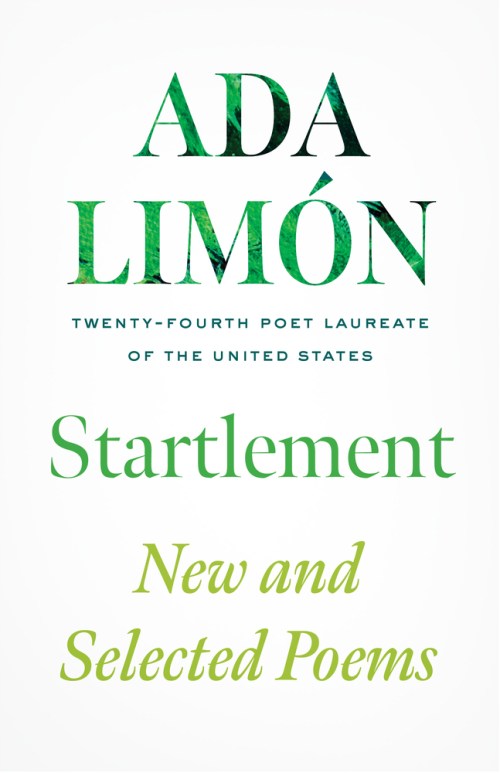
“We are all excited to be publishing a collection of new and selected poems by Ada Limón this fall.”
The Milkweed Editions team is made up of fourteen full-time staff. They also employ a few people at Milkweed Books, their thriving brick-and-mortar independent bookstore located in downtown Minneapolis. Of the fourteen people at the press, four work in editorial, four in marketing, one in design, one in admin, a couple in fundraising, along with two Milkweed Fellows. Daniel says they have been highly intentional about creating an exceptionally collaborative culture and workflow. “I have an aversion to compartmentalized publishing houses, based on experience. And so while all positions in our house have clear lines of responsibility and accountability, we also cultivate an atmosphere and culture in which all are encouraged to think like publishers.”

“Helen Whybrow’s The Salt Stones, published in June, is a beautiful book that is finding the readership it deserves, which is always heartening.”
The aim of Milkweed Editions is to publish books that change the way people see the world and, ultimately, act in the world. They believe in The Butterfly Effect: an idea of reciprocity when it comes to relationships within publishing. Daniel said, “One of the things I love most about books is that once they are published and out in the world, I am constantly surprised by the extent of their reach and the wonderful ways they touch readers, spurring various kinds of transformation, from activism to other kinds of art-making. This is the butterfly effect as I understand it, and I can’t think of any element of what we do that is more gratifying.
He added, “I also think reciprocity abounds when it comes to books. Writers seek reciprocity from readers, and readers are obviously responding to what writers create. We are in the middle of this most generous exchange, which means on some level, we live and breathe reciprocity. And when one embraces this understanding of what happens via this centuries-old technology, it feels natural to embrace the work we do as profoundly reciprocal, and to treat all our collaborators—writers, readers, booksellers, librarians, donors, and more—as essential parts of this beautiful privilege.”

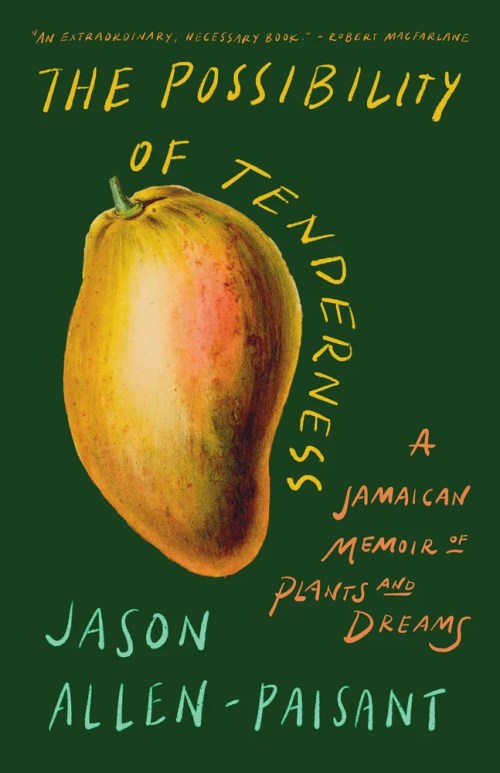
“On the list this year are debut memoirs by Nicholas Triolo and Sangamithra Iyer. Two completely different books and perspectives, but I’ve come to admire both these writers extravagantly. another memoir on our list this fall—and I often say we don’t publish much memoir!—is The Possibility of Tenderness, the North American debut of a wonderful Jamaican poet, Jason Allan-Paisant.”
Though Milkweed Editions is not currently open for submissions, they hope to offer a reading period in 2026, so writers interested in submitting to Milkweed should connect with the press to watch for updates.
When considering manuscripts, Daniel looks for originality above all. “I tend to respond well to work filled with love and light, work giving expression to our predicament today, but also with a sense of humility in light of the history of the planet.” As for many in the publishing community the cancellation of Milkweed Editions’s NEA grant was a hit for the press, but those who value the contribution Milkweed Editions makes can become a sustaining member of the organization. “The barrier to entry is relatively low,” Daniel said, “and the support—from more than a thousand households now—is critical.”


