With an average of over 500,000 books published each year, it can be a significant challenge just to keep up with the new releases you want to read. But beyond the buzzy frontlist of the big five and hip indie presses lies a treasure trove of rediscovered works in translation and books too long out of print that are also worthy of attention. Perusing these can be a daunting task all on its own, so here are thirteen under-the-radar titles from 2024 that we particularly recommend seeking out in the months (and years) to come.

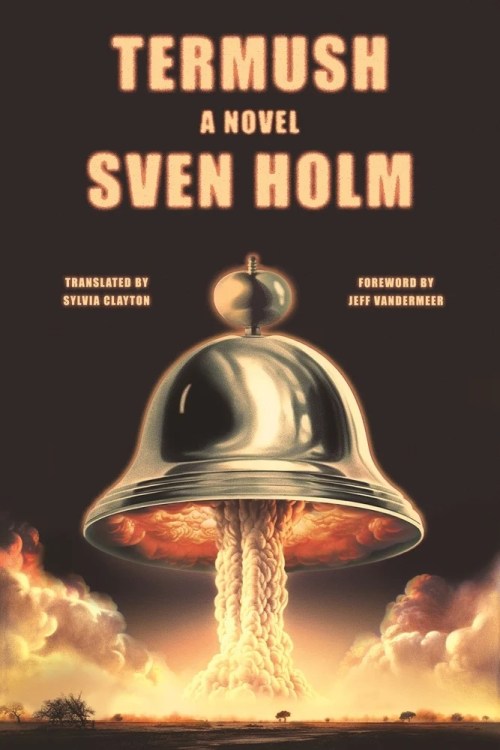
Termush by Sven Holm, translated by Sylvia Clayton
FSG Originals
Reminiscent of J.G. Ballard’s High Rise but shorn to the absolute bone. Originally written in 1967, it’s a remarkably prescient look at the uselessness of wealth at the end of the world. Chilling in its use of first person—an analytical voice trying to make sense of a chaotic situation—and its deliberately distanced focus, particularly as it races towards its pitch black conclusion.
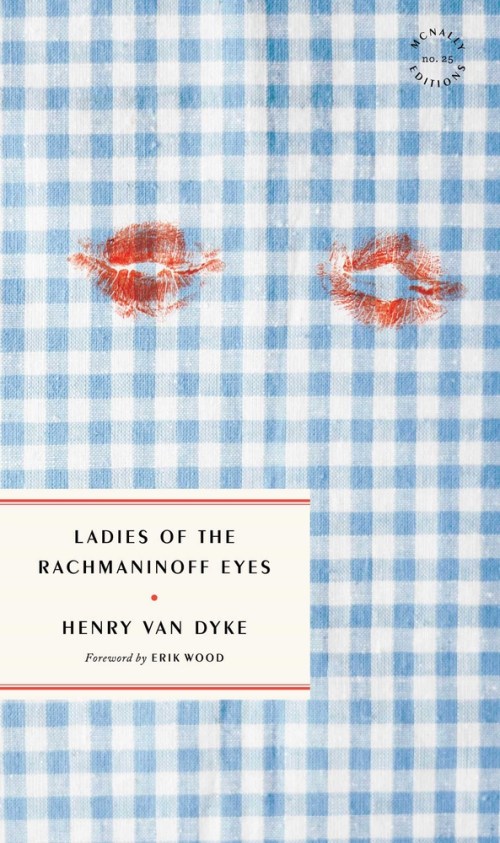
Ladies of the Rachmaninoff Eyes by Henry Van Dyke
McNally Editions
A beautifully eccentric little work from 1965 about two old ladies locked in an absurdly codependent friendship and the nephew of one, a queer Black boy, who witnesses it all. There are shades of Capote and McCullers here, but Van Dyke has a voice and point of view all his own and though the story is brief, its camp theatrics have endless echoes in the modern era.
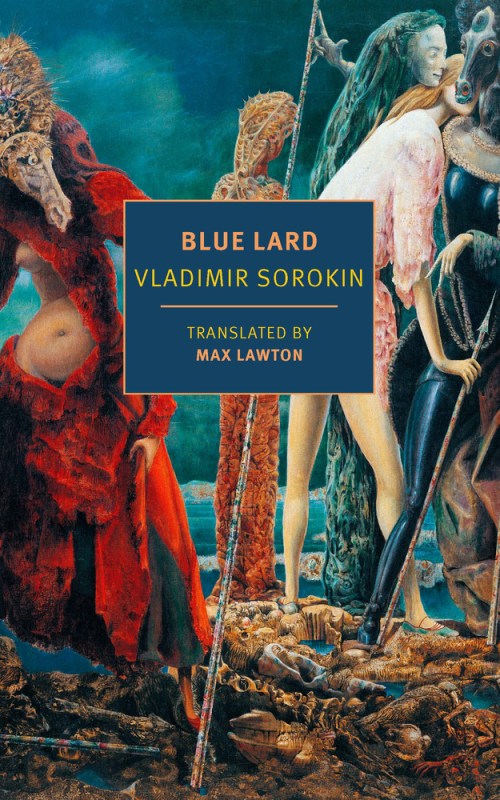
Blue Lard by Vladimir Sorokin, translated by Max Lawton
New York Review Books
Not many authors can boast that copies of their book were thrown into a papier-mâché toilet by Putin supporters—in front of the Bolshoi, no less—but that’s exactly what happened with Russian provocateur Sorokin’s Blue Lard. First published in 1999 but available in English for the first time this year, it’s a work whose destructive intent towards its country’s carefully crafted legacy still feels dangerous.
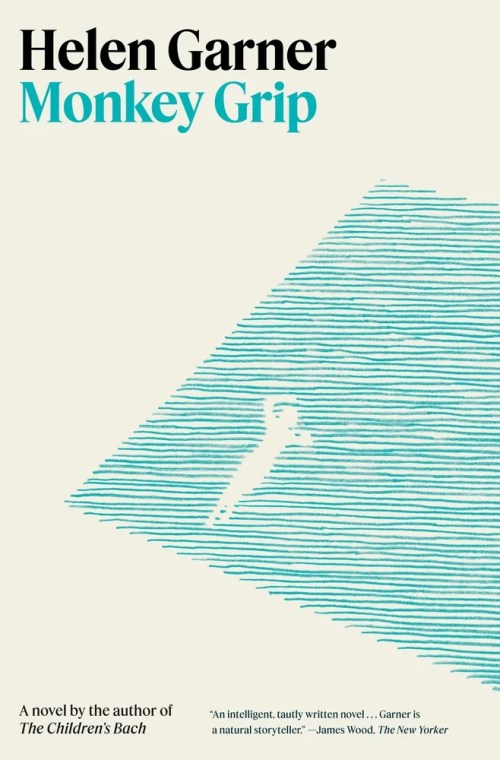
Monkey Grip by Helen Garner
Pantheon Books
Garner’s debut novel had a mixed reception when it was released in 1977 but it has grown in stature in the years since and come to be regarded as an Australian counterculture classic. Based in part on Garner’s own diaries and written in a frank, compulsive style, its portrait of a bohemian single mother on the brink cuts to the quick. All the autofiction that followed owes a debt to it.
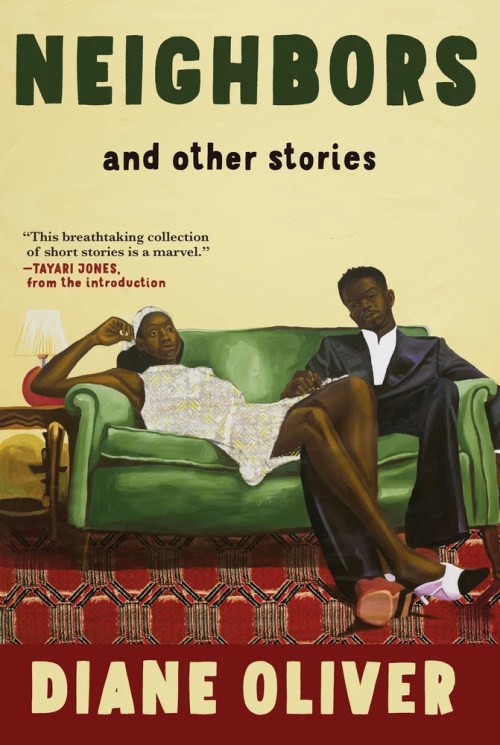
Neighbors and Other Stories by Diane Oliver
Grove Press
The first and only collection by an author who tragically left us at only twenty-two, Neighbors and Other Stories may have been written in the Jim Crow era but it never feels like a work of history. Each exquisitely detailed portrait of Black life stands well enough on its own, but taken together it’s an overwhelmingly resonant testimony to how far we’ve come and how far we still have to go.
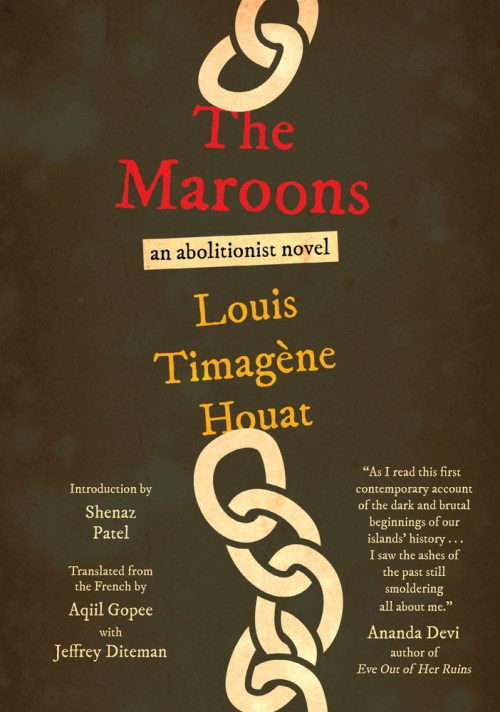
The Maroons by Louis Timagène Houat, translated by Aqiil Gopee and Jeffrey Diteman
Restless Books
Billed as an abolitionist novel, this rigorous translation of a Réunionese classic marks an important new entry into the literary canon. Banned upon its publication in 1844, The Maroons is an unstinting portrait of the Indian Ocean slave trade told from the perspective of its victims. It’s a work of great historical significance but also a plaintive cry for equality from an author whose own story of persecution lends it a timeless immediacy.
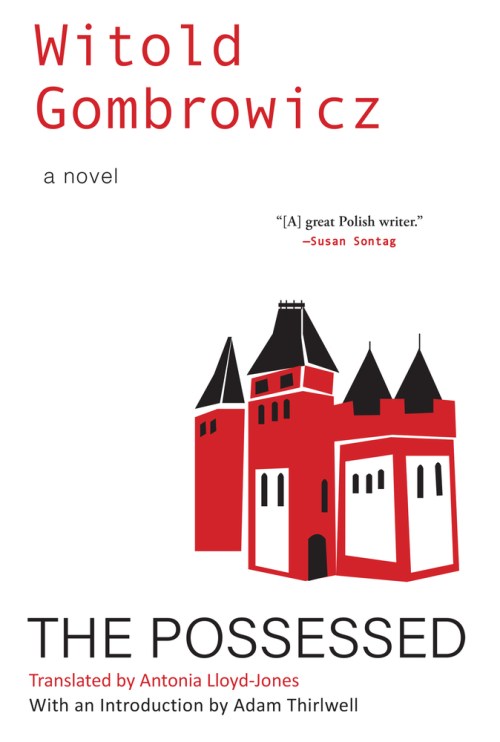
The Possessed by Witold Gombrowicz, translated by Antonia Lloyd-Jones
Black Cat
Polish author Gombrowicz was one of literature’s great tricksters, and this new translation of 1939’s The Possessed—the first to appear in English in its entirety—reveals the full breadth of his comic sensibilities. Serialized in his home country just before the Nazi invasion, it manages to work simultaneously as a piss take on the gothic tradition and a sterling example of the genre.

The Obscene Bird of Night by Jose Donoso, translated by Hardie St. Martin and Leonard Mades and revised by Megan McDowell
New Directions
In honor of Chilean author Donoso’s centennial this year, New Directions has brought out a handsome new unexpurgated edition of his 1970 masterpiece. A sprawling behemoth of a book, its terrifying, cacophonous vision of a man slowly transforming into a monster feels like an obvious precursor to works like House of Leaves, but this singularly psychedelic nightmare is an experience all its own.

Caliban Shrieks by Jack Hilton
Vintage Classics
Believed lost after its first publication in 1935, Caliban Shrieks burst back onto the literary scene this year with an energy as punchy and rip-roaring as its title. Sharing a name with Shakespeare’s indelible monstrous creation, it’s like listening to a rant on the deplorable working-class conditions in early-twentieth-century England by the smartest, angriest person you know.


The Princess of 72nd Street by Elaine Kraf
Modern Library
Though the narrator of this 1979 book has manic depression, her “radiances” of euphoria and dropped time take on a new resonance in the post-COVID era. A blazing tale of madness that brings you into the turbulent world of Princess Esmeralda with a disconcerting clarity, it poses provocative questions about the possible freedoms that mental illness can offer when the “normal” world feels repressive and violent in comparison.
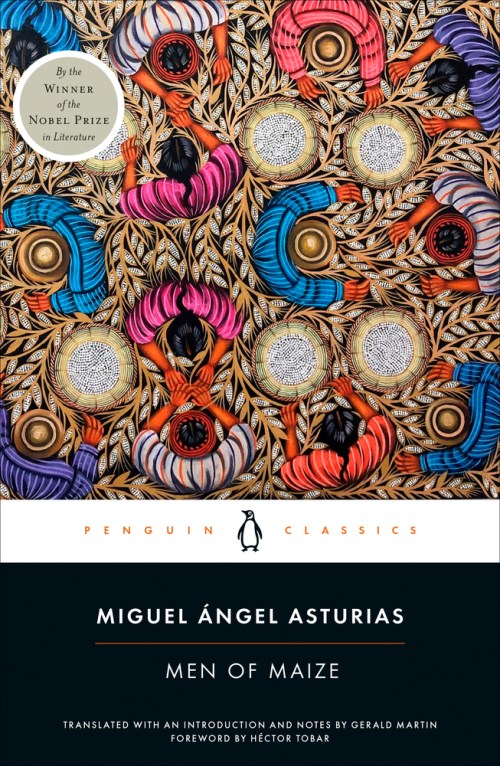
Men of Maize by Miguel Ángel Asturias, translated by Gerald Martin
Penguin Classics
Nobel Laureate Asturias remains the only literary prize winner from Guatemala, and this year marks the seventy-fifth anniversary of his 1949 masterpiece, Men of Maize. Subtitled “The Modernist Epic of the Guatemalan Indians,” it’s one of the earliest and most ambitious examples of the magical realist tradition and this gorgeous new edition includes an illuminating foreword by Héctor Tobar.
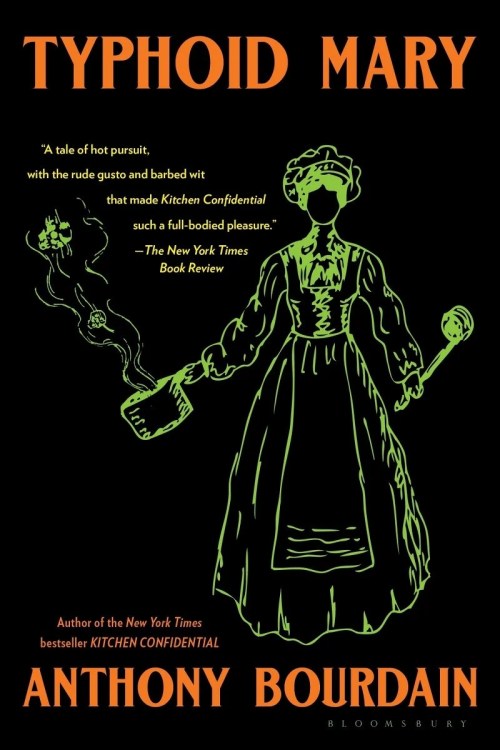
Typhoid Mary: An Urban Historical by Anthony Bourdain
Bloomsbury Publishing
Though he was a household name thanks to his globe-trotting TV shows, Bourdain’s imagination was just as roving. That’s what makes this reissue of his 2001 true crime book such a treat. Taking a chef’s eye view of early-1900s New York, Typhoid Mary is a work as quick-witted as it is compassionate, offering readers a welcome opportunity to experience Bourdain’s one-of-a-kind voice.

Set My Heart on Fire by Izumi Suzuki, translated by Helen O’Horan
Verso
Verso previously published two story collections by feminist punk icon Suzuki but this first novel from her to appear in English should grow her fanbase even further. Set in the swirling scene of ’70s underground Tokyo, it’s an intimate and turbulent portrait of life in the counterculture from someone who experienced it firsthand, with a laundry list of bands you’ll want to immediately put on a playlist.